




From Manlift to Scissor Lift: The Evolution of Industry Terminology
Quick answer: “Manlift” is an informal, decades-old term that emerged in the mid-20th century to describe any equipment that lifts a person to height. As the industry matured, this generic label was replaced by precise, standards-based terms: scissor lift, MEWP (Mobile Elevating Work Platform), and AWP (Aerial Work Platform). If you’re still searching “manlift” today, chances are what you actually need is a scissor lift — this article explains how and why that shift happened.
In today’s construction and access equipment industry, terminology matters as much as technology. This linguistic shift isn’t just about words — it reflects evolving safety standards, regulatory compliance, and how the industry positions itself globally. Understanding this evolution helps manufacturers, rental companies, and operators communicate more clearly, work more safely, and build stronger brand credibility.
Where Did the Term “Manlift” Come From?
Quick answer: “Manlift” emerged in the mid-20th century, during a period of rapid industrial growth, as an informal term with no formal classification behind it.
The earliest personnel-lifting equipment consisted of simple platforms used to raise a worker (“a man”) for storage, maintenance, and construction tasks. At the time:
- Safety standards were limited
- Machine classifications weren’t well defined
- Technical terminology hadn’t yet been standardized
Under these conditions, “manlift” became a catch-all term for any equipment that lifted a person off the ground. It’s still used that way in everyday speech today — but as machines diversified, that generality turned into a real source of ambiguity.
Shortcomings that became apparent over time:
- Too generic — it didn’t distinguish between scissor, boom, or mast lifts
- Gender-specific language — misaligned with modern, inclusive terminology
- Technically insufficient — created confusion as equipment types multiplied
The Rise of the Scissor Lift
Over time, access equipment technology advanced and distinct machine categories emerged:
- Boom lifts (articulating and telescopic)
- Vertical mast lifts
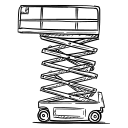
- And one of the most widely used: the scissor lift
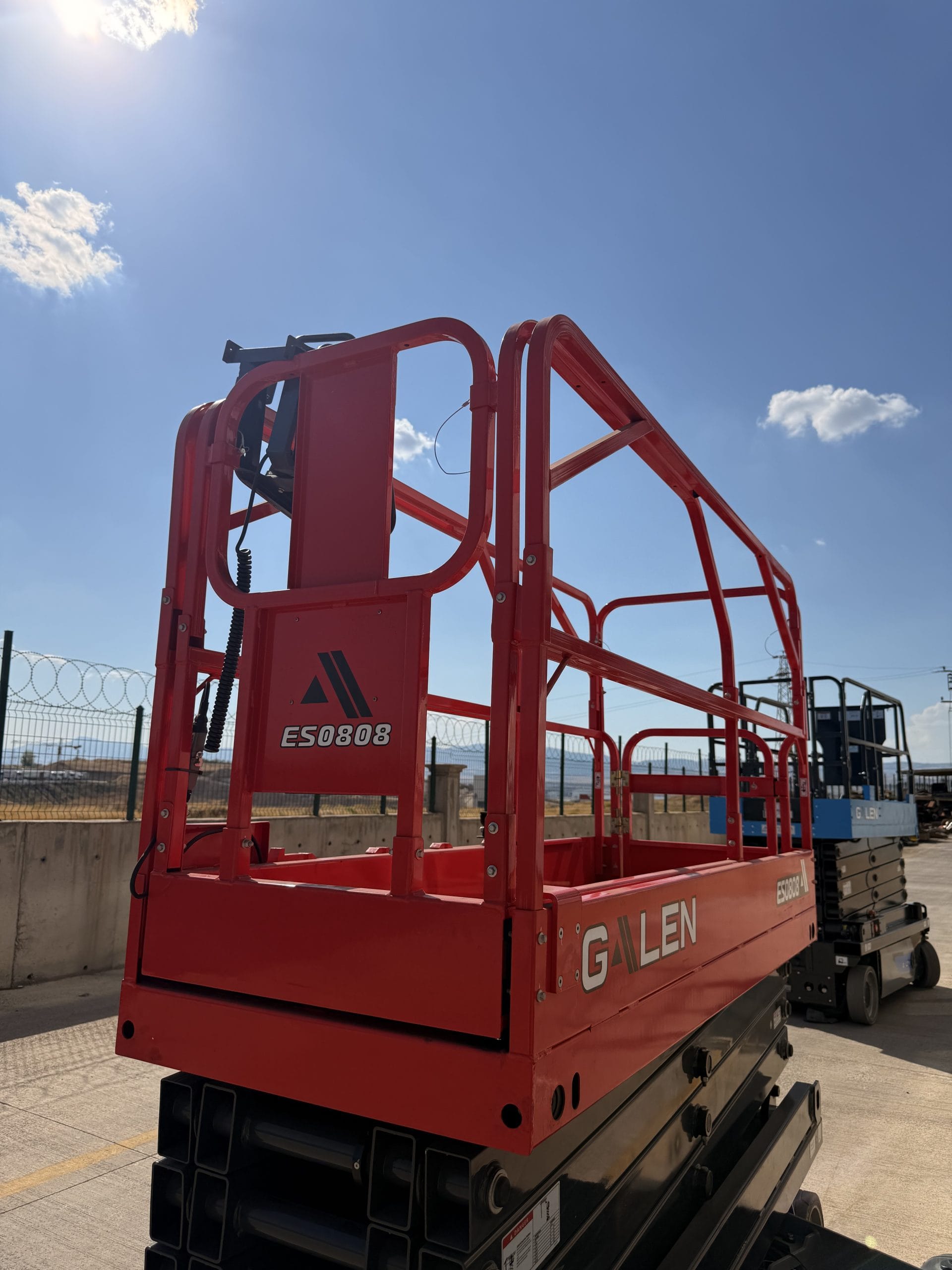
Thanks to its crisscross (“scissor”) mechanism, the scissor lift offered high stability, a simple structure, and reliable vertical access. These qualities made it indispensable in:
- Construction sites
- Warehouses and logistics centers
- Factory and maintenance applications
As adoption grew, industry professionals began using the term “scissor lift” to clearly distinguish this machine from other equipment types — a precise, descriptive, and technically accurate term.
The Evolution of Terminology: A Timeline
| Period | Term Used | Status |
|---|---|---|
| Mid-20th century | Manlift | Generic, informal, non-standard |
| As equipment diversified | Scissor lift, boom lift, vertical mast lift | Machine-specific, descriptive |
| Post EN 280 / ANSI A92 | MEWP (European/North American standard) | Official, international, technical |
| Today’s global market | Scissor Lift / AWP | Industry standard, regulation-compliant |
The Turning Point: Safety Standards
The real turning point came when international safety standards took effect:
- Europe: EN 280
- North America: ANSI/SAIA A92
Under these standards, machines were classified under the heading MEWP (Mobile Elevating Work Platform). As a result:
- “Manlift” was fully phased out of technical documentation
- “Scissor lift” became the official name for the vertical, scissor-mechanism machine type
- MEWP / AWP became the umbrella category covering all personnel-lifting equipment
This shift wasn’t just terminological — it was a critical step for safety, training, and regulatory compliance.
Why the Right Term Still Matters Today
Even though some users still say “manlift” in everyday conversation, the correct professional term is scissor lift. Here’s why:
- Clear and descriptive: Precisely identifies the machine type
- Standards-compliant: Aligned with international terminology
- Professional: Avoids outdated, informal language
At Galen Equipment, we use internationally standardized terminology across all our communication and documentation to build a transparent, safety-first relationship with our customers.
Frequently Asked Questions
Why isn't the term "manlift" used anymore?
“Manlift” doesn’t specify which type of machine is being referenced, so it was never incorporated into modern safety standards like EN 280 or ANSI/SAIA A92. Specific terms like “scissor lift” and “boom lift” replaced it instead.
When did the term "scissor lift" become widespread?
As access equipment diversified and scissor-mechanism platforms became common in construction, warehousing, and maintenance work, industry professionals adopted “scissor lift” to clearly distinguish this machine from others.
Where does the term MEWP come from?
MEWP (Mobile Elevating Work Platform) is the official, international classification defined in EN 280 (Europe) and ANSI/SAIA A92 (North America).
What's the core difference between "manlift" and "scissor lift"?
“Manlift” is generic and ambiguous — it could refer to any lifting equipment. “Scissor lift” refers to a specific machine with a crisscross mechanism that moves vertically.
Which term should I use today?
“Manlift” is still understood in casual conversation, but for renting, purchasing, training, and compliance purposes, “scissor lift” — or the broader term “MEWP / AWP” — is the recommended choice.
Conclusion: From Manlift to Scissor Lift
The shift from “manlift” to “scissor lift” reflects the industry’s broader evolution:
- Manlift: An outdated, generic, non-technical term
- Scissor Lift: The current, accurate, professional term
- MEWP / AWP: The official classification covering all personnel-lifting equipment
Understanding this evolution isn’t just about using the right words — it’s about supporting a safer, clearer, and more professional industry culture. Ready to find the right machine for your job? Explore our scissor lift range today.